June 23, 2026
A Week With a Paper Shoot Camera


I’ve been on a little drawer-cleaning kick recently – pulling a random drawer from a bedside table, or a kitchen drawer-of-everything, so I can clean them out. A few weeks ago, I grabbed one of the several kitchen drawers (of everything) and found a bunch of old digital cameras that I must have thrown in there after moving a few years ago. I powered them up, found old memory cards, and some cool old photos. That sent me down a black hole of ‘vintage’ digital camera research that led me to Paper Shoot.

Paper Shoot is a basic digital camera – no screen, limited (almost zero) controls or functions, and swappable Filter Cards that change the look and tone of your images.
The images save onto the supplied SD card – you can download straight to your phone or laptop from the camera using the included USB cable or pull the SD card from the camera.
Add-ons include wide-angle and macro lenses, a hand crank to record video (the speed of the crank dictates the speed of the video), and swappable cases for the camera itself.
You can buy different versions of the camera, which basically comes down to choosing different add-ons and cases. I went with a basic camera plus a few filter cards. Since then, I’ve added a lens cap, the additional lenses, and a few more filter cards.
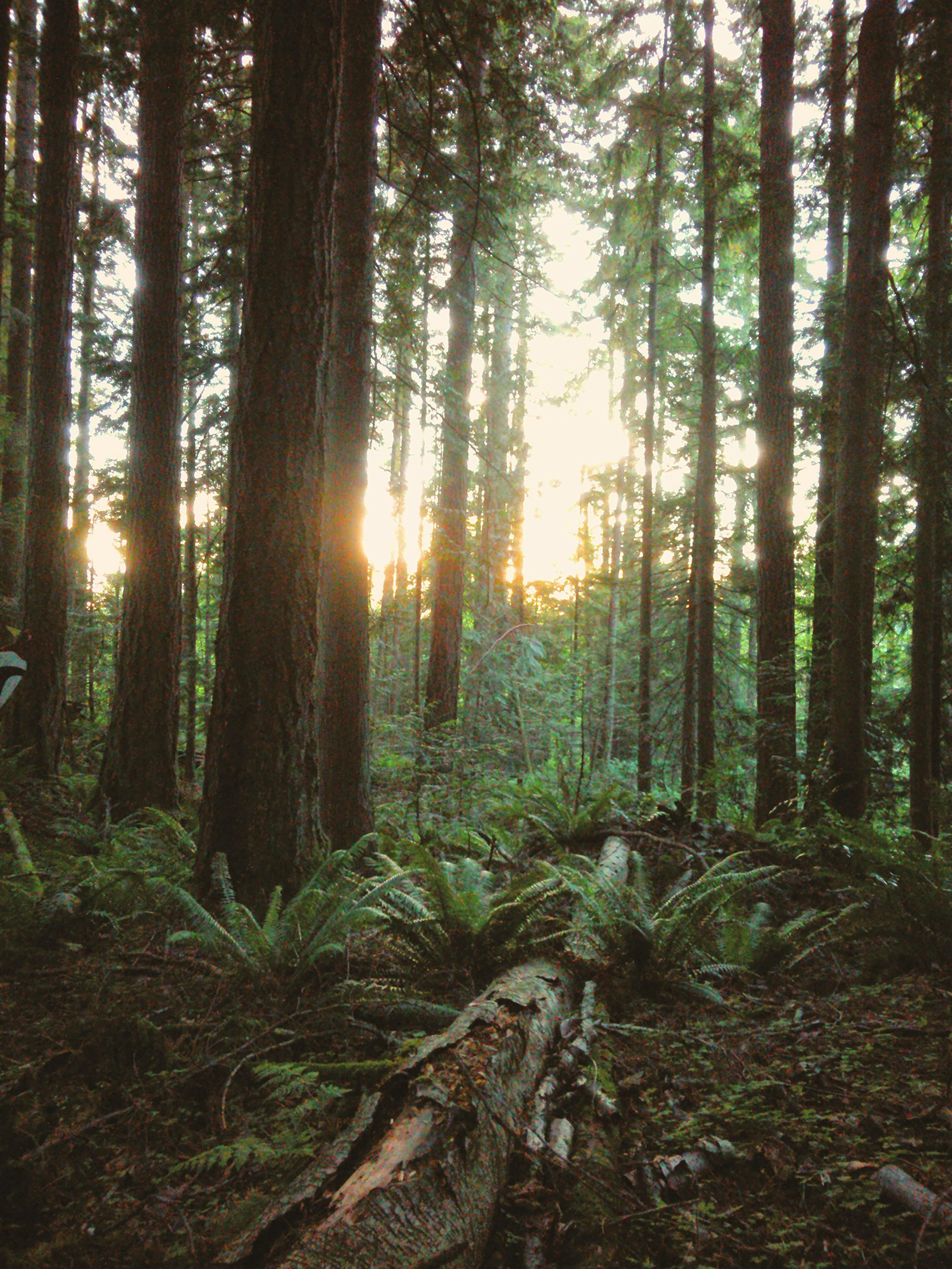
The camera arrived at my house in Austin, Texas just a few days before a family trip to Bellingham, Washington. So, fully expecting to snap some ‘squatch pics, I carried it around the entire week taking pics of anything and everything. Battery life was good - about a day and a half of heavy shooting. The camera is just ready to go and never switches off, so an actual measurement of battery life wasn’t really feasible under the circumstances.

Switching out filter cards takes seconds. I carry them loose in a tiny bag (actually a re-usable, loose leaf tea bag from c2csutainables) and would just randomly switch them out. The camera also offers four filter modes using a simple switch on the back – Original, Black and White, Sepia, and Blue. So, combining those with multiple filters give you a wide range of looks.
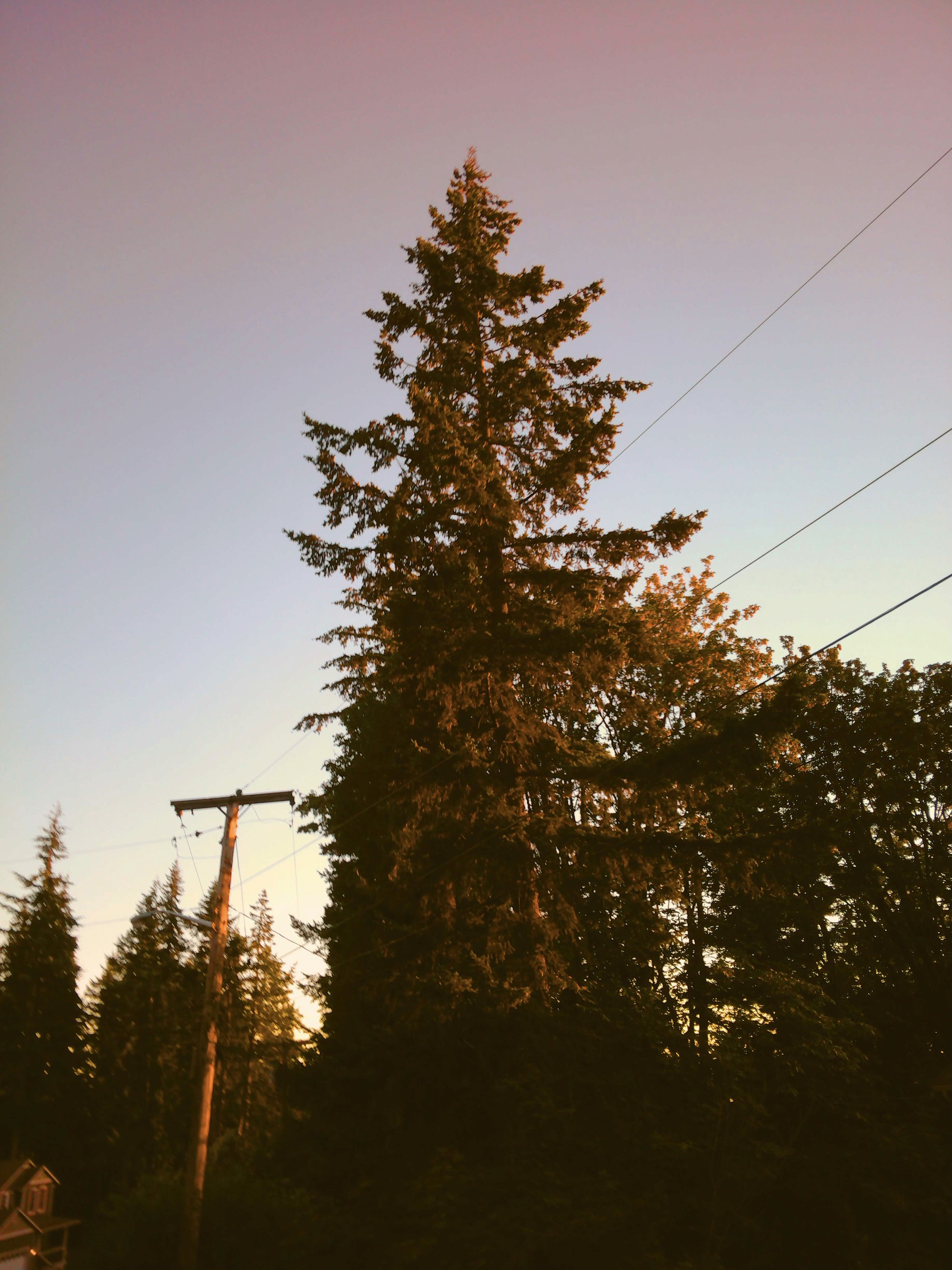
The camera cost around $180, plus the add-ons. Yes, it might be a little pricey for something so basic, but I think there are several reasons that it’s worth the price. The camera feels light, but very durable. I carried it around all week without a lens cap or case – I’d just keep it in my pants pocket, and it was fine. The thick paper case got a little beat up and now looks better with wear – plus it’s switchable for other cheaper or more expensive cases available from the manufacturer, and there are multiple options online from users who have 3D printed their own cases.
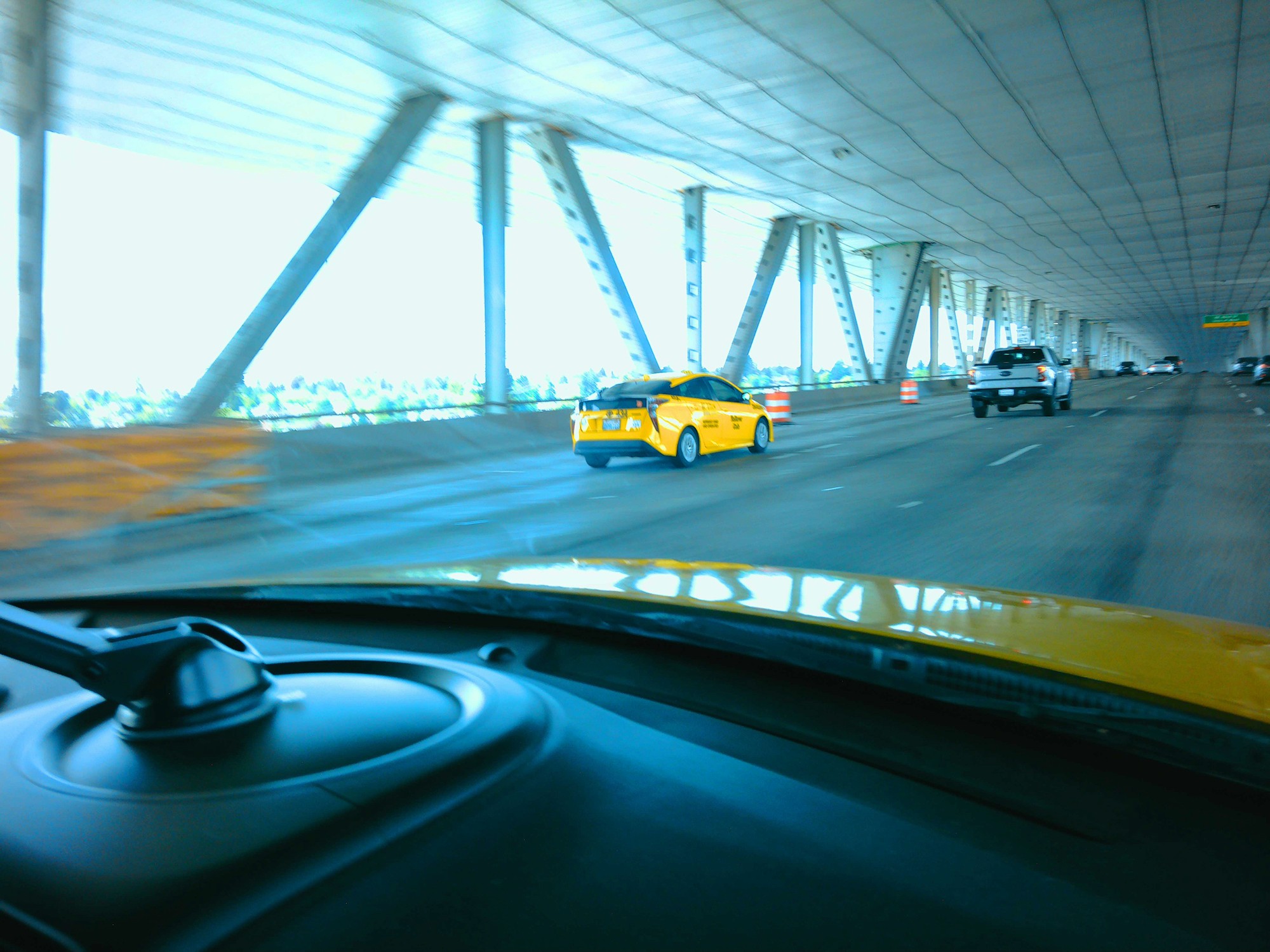
But more importantly, I realized that - unless I had to check my email (because who takes calls anymore), I was never on my phone. Carrying the camera around – and passing it around – kept my hands and brain busy enough that I didn’t need to keep checking on whatever gubbins was happening on Instagram with cats. Plus, it was fun to plug the camera in to my phone at the end of the day to see what we got. Having no screen on the camera makes such a difference – just pressing a single button and waiting until later to see the photo sounds like it shouldn’t be a big deal, but it really is.
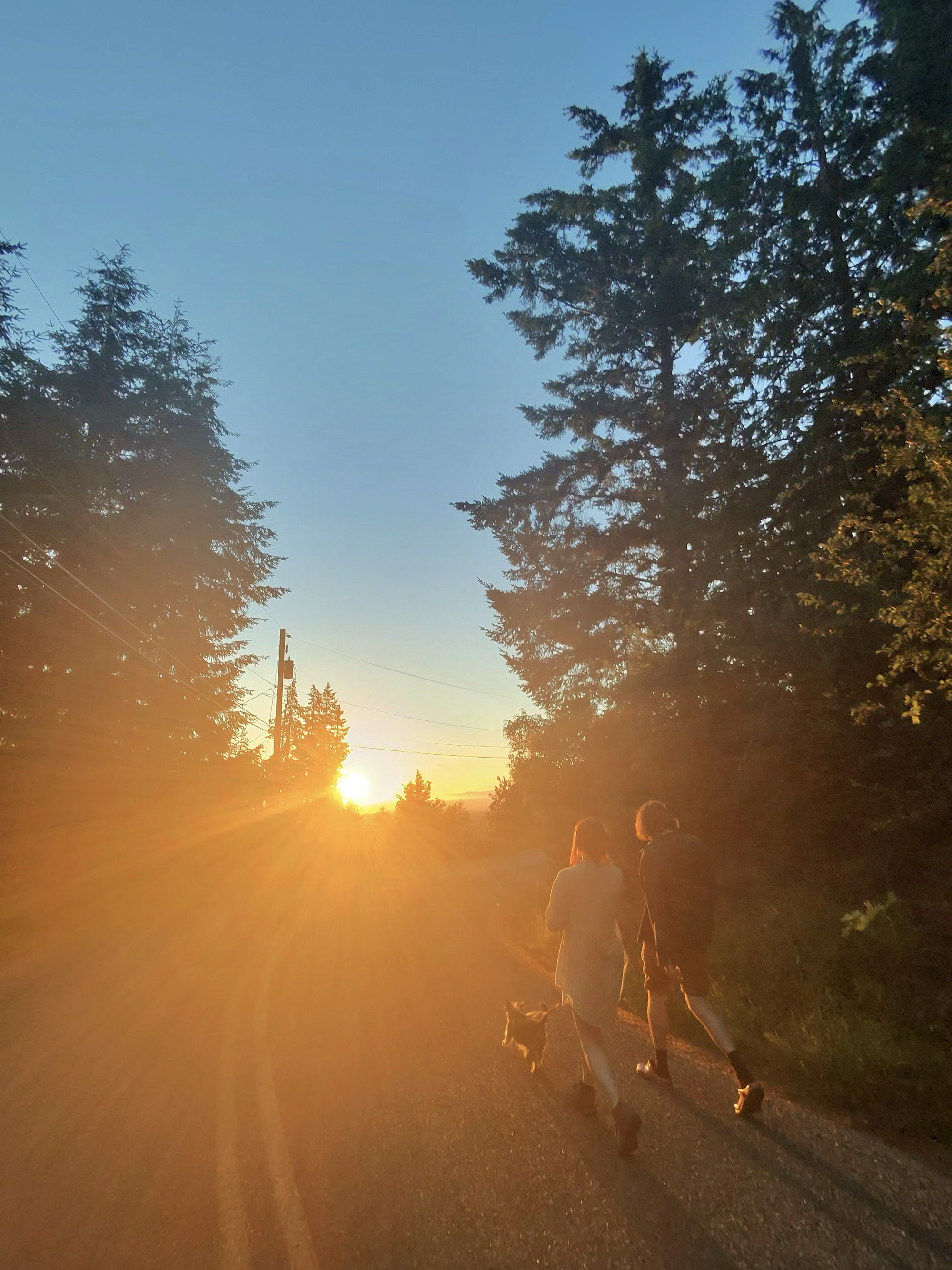
Despite not capturing a single Sasquatch image, I can’t recommend this camera highly enough. I’m definitely sending a few to friends and family this Christmas and look forward to exploring more of the filter card options.
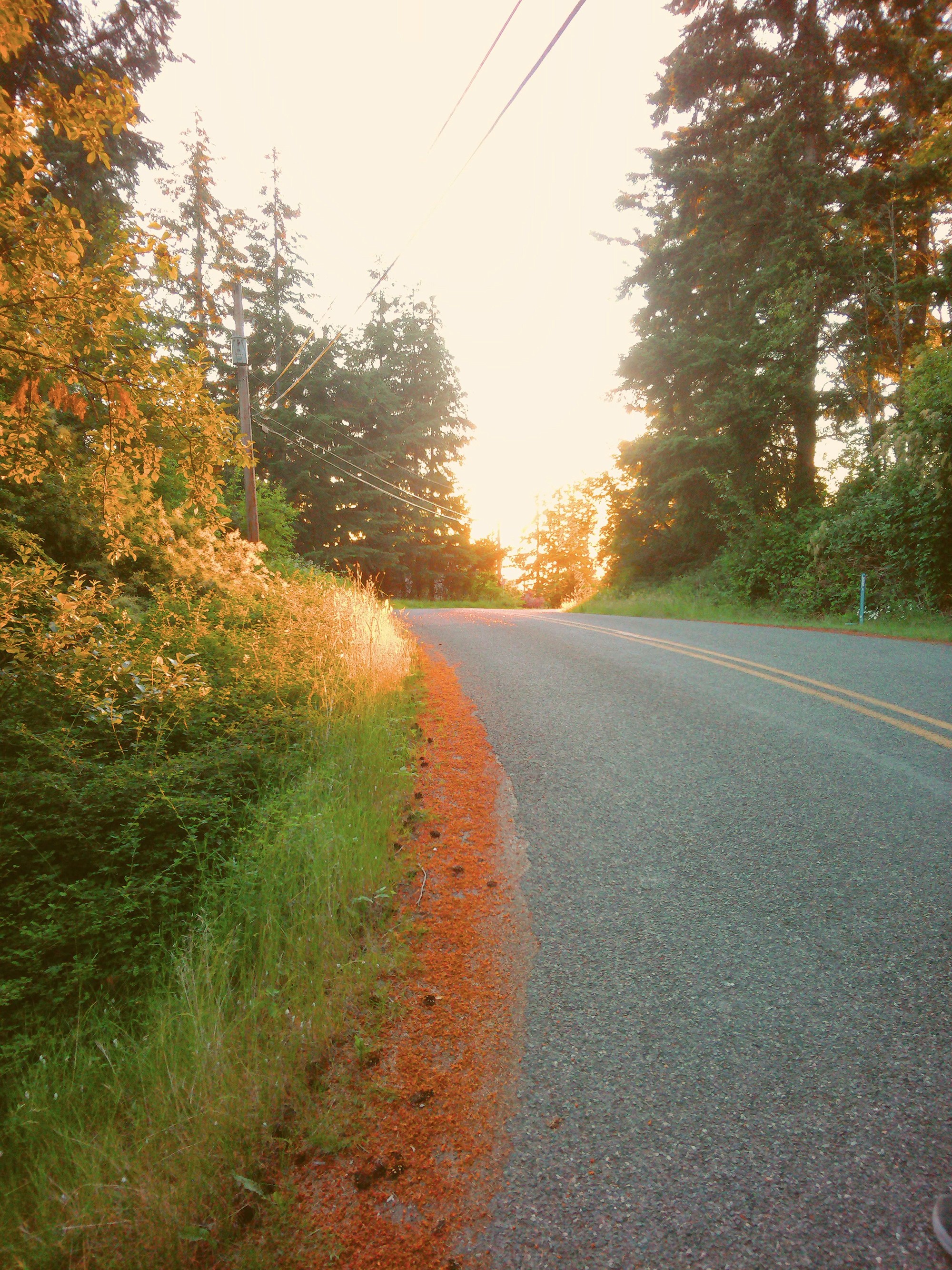
The early 2000’s digital image look is great. Yes, you could just go get an early 2000’s camera, but the low-tech, no-fuss approach of Paper Camera, combined with the novel simplicity of the whole device makes it so fun and easy to use. I absolutely do not miss the tiny controls on tiny touchscreens and terrible user interfaces from older cameras. Plus, this device and its filters basically give you what you want, instead of hoping that your actual vintage camera will catch some lens flare or random color. 1000% recommend.

August 7, 2026

July 15, 2026


